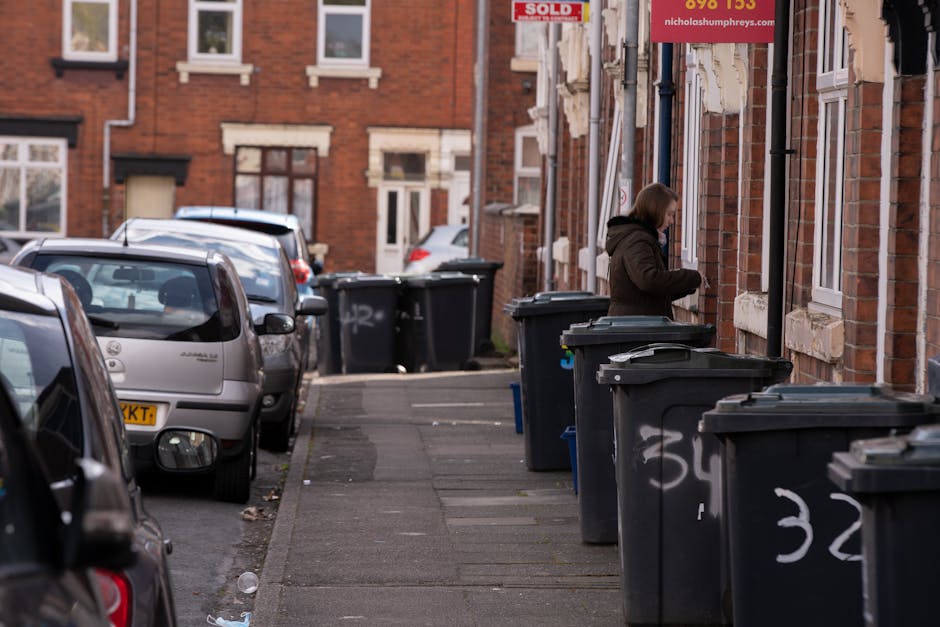
Waddon estate bulky rubbish collection tips for residents
If you live on Waddon Estate and bulky waste has started taking over your hallway, shed, balcony, or spare room, you are not alone. Sofas that won't squeeze through a door, broken wardrobes, old mattresses, awkward appliances, garden cuttings after a weekend clear-out - it piles up fast. The good news is that Waddon estate bulky rubbish collection tips for residents can make the whole job calmer, safer, and often cheaper than people expect. A little planning goes a long way, especially in shared residential blocks where access, parking, and timing can turn a simple tidy-up into a small logistical drama.
This guide walks you through how bulky rubbish collection usually works, what to prepare before you book, how to avoid common mistakes, and when a specialist clearance service is the sensible option. It is written for real residents, not theory. Let's make it straightforward.
Table of Contents
- Why Waddon estate bulky rubbish collection tips for residents Matters
- How Waddon estate bulky rubbish collection tips for residents Works
- Key Benefits and Practical Advantages
- Who This Is For and When It Makes Sense
- Step-by-Step Guidance
- Expert Tips for Better Results
- Common Mistakes to Avoid
- Tools, Resources and Recommendations
- Law, Compliance, Standards, or Best Practice
- Options, Methods, or Comparison Table
- Case Study or Real-World Example
- Practical Checklist
- Conclusion
- Frequently Asked Questions
Why Waddon estate bulky rubbish collection tips for residents Matters
Bulky rubbish is different from everyday household waste. It is larger, heavier, harder to move, and more likely to cause damage if you rush it. On estates like Waddon, there is also the added reality of stairwells, communal corridors, shared bin areas, tight parking spaces, and neighbours who quite reasonably don't want a broken sofa blocking the path for three days.
That is why a smart approach matters. The right bulky rubbish collection tips help you:
- reduce the risk of injury when moving heavy items
- avoid fire exits, walkways, and shared spaces being obstructed
- sort items correctly so reusable or recyclable materials are not wasted
- save time when booking a collection or arranging a clearance
- avoid that last-minute panic of realising the fridge won't fit through the lift, obviously
There is also a community angle. When bulky waste is left in the wrong place, it can attract dumping, become an eyesore, and create tension in the block. A neat, planned collection keeps things tidy and shows consideration for everyone living nearby. To be fair, that matters more than people think.
If your bulky waste is part of a larger declutter, you may also find it useful to look at broader services such as home clearance support or house clearance options when the job goes beyond a single item or two.
How Waddon estate bulky rubbish collection tips for residents Works
In practice, bulky rubbish collection usually follows a simple pattern: identify what needs removing, separate items into sensible groups, check access and restrictions, then arrange collection or disposal. The details matter, though. A mattress is not handled the same way as a wardrobe, and an old fridge is not the same as a pile of broken flat-pack furniture.
For residents on an estate, the process often works best in this order:
- List the items clearly. Write down what is going, including dimensions if the item is large or awkward.
- Check whether anything can be reused. Some items may be suitable for donation, resale, or repair.
- Separate waste types. Wood, metal, upholstery, electricals, and garden waste are often better handled separately.
- Prepare the route. Measure doorways, lifts, stairs, and corners if you need to move items from inside a flat.
- Confirm access and timing. Make sure the collection point is reachable and that the chosen time does not clash with peak parking or school-run traffic.
- Book the right service. For a one-off sofa, a targeted collection may be enough; for a full flat clear-out, a more complete service is usually easier.
Some items require extra care. White goods need safe handling. Mattresses are bulky and awkward. Hazardous waste should never be mixed in with general rubbish. If you have one or two specialist items, it is often better to use services designed for them, such as fridge and appliance removal or hazardous waste disposal, rather than treating everything as the same pile.
A practical note: if you are clearing a flat, a loft, or a garage as well as bulky rubbish, it can be more efficient to combine the job with flat clearance, loft clearance, or garage clearance. One visit, one plan, less faff.
Key Benefits and Practical Advantages
Good bulky waste planning is not just about getting rid of things. It changes the feel of the home. You notice it in the cleared hallway, the easier cleaning routine, and the simple relief of not stepping around a broken chair leg every morning.
Here are the main benefits residents usually notice:
- Safer movement around the home. Clear floors and corridors reduce trips and knocks.
- Less stress on collection day. If everything is sorted in advance, the actual removal is faster.
- Better recycling outcomes. Sorting items well makes it easier to divert suitable materials from general waste.
- Cleaner shared areas. Especially important in blocks where neighbours share entrances and bin stores.
- More accurate quotes. Clear item lists help providers estimate the job properly.
- Better use of space. Once bulky items go, rooms feel bigger. Funny how that works, isn't it?
There is another advantage that people overlook: decision clarity. Once you have made a proper list of what goes, you are less likely to keep moving the same item from one corner to another "for now." That pile in the corner? It usually becomes a year-long tenant if nobody deals with it.
For residents who care about sustainability, it is worth looking at the provider's approach to recycling and sustainability. Even a small clearance can be handled with a better environmental outcome if the service sorts materials properly.
Who This Is For and When It Makes Sense
Bulky rubbish collection is useful for a wide range of Waddon residents. It is not only for major house moves or big refurbishments. In fact, many requests come from ordinary day-to-day situations that have just got out of hand.
This guide is especially relevant if you are:
- moving out of a flat and need to clear old furniture
- replacing a mattress, sofa, wardrobe, or appliance
- tidying a garage, loft, or spare room after months of accumulation
- preparing a property for sale, letting, or handover
- dealing with post-refurbishment waste that doesn't fit in normal bins
- helping an older relative sort out a cluttered home, gently and without chaos
It also makes sense if you are short on time, lack a vehicle, or simply do not want to carry heavy items through communal spaces on your own. Truth be told, bulky waste is one of those jobs that looks manageable until you are halfway down the stairs with a wardrobe side panel. Then reality taps you on the shoulder.
If the job includes old sofas or beds, specialised disposal can save a lot of hassle. See mattress and sofa disposal for items that need a bit more thought than standard rubbish.
Step-by-Step Guidance
Here is a practical way to handle bulky rubbish collection without turning it into a weekend-long ordeal.
1. Walk through the property first
Start with a calm walkthrough. Look at bedrooms, hallways, storage cupboards, utility areas, the balcony if you have one, and shared access routes. You are not just looking at what needs to go; you are checking how each item will get out.
2. Measure the awkward items
Measure anything that might be difficult to move: wardrobes, bunk beds, cabinets, appliances, desks, or oversized shelves. A few centimetres can make the difference between a smooth exit and a very irritating wall-scuff. You do not want to discover that at the last minute.
3. Separate the items by type
Sort waste into practical groups:
- furniture
- electricals and appliances
- metal items
- garden waste
- cardboard and packaging
- hazardous or restricted items
This step helps you decide what can be collected together and what needs special handling. It also makes the space look more under control, which is surprisingly motivating.
4. Decide what can be reused
Before throwing things away, check whether anything is still usable. A solid table with a scratched top may be repairable. A chair with a loose leg may not be ready for disposal yet. If something can be passed on, repaired, or repurposed, that is usually the better first move.
5. Clear a safe path
Move smaller items out of the way and make sure the route is free from loose rugs, shoes, boxes, and bits of packaging. If an item needs to pass through a communal hallway, keep that route clear and do not leave anything sitting there "just for five minutes." Five minutes has a way of becoming two days.
6. Book the right service or collection method
For smaller jobs, a one-off bulky item removal may be enough. For larger clearances, a broader waste removal service is more efficient. If your rubbish is linked to building work, then a dedicated option like builders waste clearance is often a better fit.
7. Confirm where items should be placed
Ask for clear instructions before collection day. Do items need to be left outside? Ground floor only? A specific collection point? Do not assume. A quick check saves a lot of awkward back-and-forth later.
8. Do a final sweep
After the bulky items are gone, have one last look. Check behind doors, inside storage spaces, under beds, and in corners. You would be surprised how often one forgotten drawer or side panel survives the first pass.
Expert Tips for Better Results
A few small habits make bulky waste collection much smoother. The difference is real, even if it sounds minor on paper.
- Take photos before booking. A few clear images help describe the job accurately and reduce the risk of misunderstanding.
- Stack with care, not ambition. Over-stacking makes items unstable and harder to move safely.
- Keep wet and dry waste apart. Damp cardboard or soggy textiles can complicate handling and recycling.
- Remove personal items early. Drawers, shelves, photos, and paperwork should be checked before disposal. Easy to forget. Easy to regret.
- Plan around access times. Morning collections may be quieter on some estates, while late afternoons can be a bit of a squeeze.
- Label groups clearly. Even simple notes like "keep," "donate," and "dispose" can stop confusion.
If you are clearing a home in stages, start with the least emotionally loaded items first. Old packaging, broken furniture, and duplicate storage boxes are a good beginning. It creates momentum. Then the harder decisions feel less heavy.
Where a room contains personal or confidential materials, look at confidential shredding so documents are handled properly instead of mixed in with general waste.
And if you are working with a company, a quick read of their health and safety policy and insurance and safety information is never a bad idea. Not glamorous, but sensible.
Common Mistakes to Avoid
Most bulky rubbish problems come from a handful of avoidable mistakes. The good news? They are easy to sidestep once you know what to watch for.
- Leaving everything until the collection day. That usually means rushed decisions and poor sorting.
- Mixing restricted items with general waste. Some items need specialist treatment and should not be bundled together.
- Forgetting access issues. Narrow stairwells, locked gates, parking restrictions, and lift sizes can all matter.
- Underestimating the weight of items. Old sofas and appliances are heavier than they look.
- Blocking communal areas. In shared buildings, this can create problems for neighbours and building management.
- Assuming "bulky" means "anything." It doesn't. Certain waste types need separate handling.
A common one is the half-finished clear-out. Someone moves everything into the corridor, then realises one item needs to stay, another is damaged beyond transport, and the collection point isn't ready. It becomes clutter with a deadline. Not ideal.
If you are unsure whether something should go in a skip or be removed separately, the guide on what can go in a skip can help you think through the categories, even if you ultimately choose a different route.
Tools, Resources and Recommendations
You do not need specialist equipment to get started, but a few simple tools make the process easier.
- Measuring tape. Essential for checking awkward furniture and access routes.
- Heavy-duty gloves. Handy for rough edges, splinters, and dusty items.
- Strong refuse sacks or boxes. Useful for smaller loose materials.
- Marker pens or labels. Helpful for sorting keep/dispose/reuse items.
- Basic trolley or dolly. Useful if you are moving items short distances and know they are stable.
- Phone camera. Great for documenting items before booking and for keeping a list of what needs removing.
Recommended support pages on the site can also help you narrow things down. For example, residents dealing with large furniture may want to review furniture clearance or furniture disposal, while those emptying a storage space may benefit from garage clearance.
If you are planning ahead and want to compare service levels or request a quote, the site's pricing and quotes information is a sensible starting point. For some residents, being able to book directly is the easiest route, so book online is worth a look once you have your item list ready.
Law, Compliance, Standards, or Best Practice
Bulky rubbish collection touches on a few important best-practice points in the UK. You do not need to become a waste law expert, but you should be cautious about how waste is stored, moved, and handed over.
Good practice includes:
- Using responsible handling methods. Heavy items should be lifted carefully, not dragged blindly through communal spaces.
- Keeping fire exits and shared access clear. This is especially important in apartment blocks and estate properties.
- Separating hazardous items. Anything potentially harmful should be handled through the correct route, not mixed with everyday rubbish.
- Checking company policies where relevant. Reputable operators should be clear about safety, security, and complaint handling.
- Protecting personal information. Paperwork and storage media should be treated carefully, particularly in home offices or inherited properties.
For peace of mind, it can help to review a provider's terms and conditions, privacy policy, and complaints procedure before you book. That is not overcautious. It is just a tidy habit.
If your clearance involves business items rather than household items, the rules and expectations may be different, so a dedicated business waste removal service is usually the more appropriate route.
Options, Methods, or Comparison Table
There is no single best way to manage bulky rubbish. The right option depends on how much you need to remove, whether you can move the items yourself, and how quickly you need the space back.
| Method | Best for | Strengths | Limitations |
|---|---|---|---|
| One-off bulky item collection | Single items like a sofa, mattress, or wardrobe | Simple, quick, minimal disruption | Less suitable for larger mixed clearances |
| Full waste removal service | Mixed household waste or multiple bulky items | Flexible, efficient, easier for larger jobs | May need clearer item sorting beforehand |
| Room-by-room clearance | Flats, lofts, garages, and move-out jobs | Good for deep clear-outs and staged work | Can take longer to prepare |
| Skip-style planning | Projects with lots of similar waste | Useful for build or garden waste | Not every bulky item is suitable |
If your job is mainly structural or renovation-related, you may also want to compare it with builders waste clearance. If it is mostly outdoor debris, garden clearance can be a better fit. Different jobs, different rhythm. Simple as that.
Case Study or Real-World Example
Picture a typical Waddon Estate Saturday: a resident decides to finally deal with a spare room that has quietly become a storage unit. There is an old armchair, a broken chest of drawers, a rolled-up mattress, some damp cardboard, and a small pile of things that are technically "useful" but haven't been touched in two years.
The first mistake would be trying to move everything in one go without checking the route. The better approach is to sort the room first. The resident separates reusable items, removes paperwork, measures the wardrobe frame, and clears the hallway. Then the bulky waste is grouped in a way that makes loading easier. By the time collection happens, the space is clear, the job is simpler, and the flat feels less cramped. You can almost hear the room breathe again.
That is the real value of planning. It turns a stressful chore into a manageable task. Not glamorous, but effective.
Practical Checklist
Use this before booking or collection day.
- List every bulky item you want removed
- Measure large furniture, appliances, and awkward shapes
- Check whether any items can be reused, donated, or repaired
- Separate furniture, electricals, garden waste, and hazardous items
- Clear a safe path from the item to the exit
- Confirm access, parking, and collection instructions
- Remove personal items from drawers, pockets, and shelves
- Take photos if you need to request a quote
- Keep communal areas clear
- Review provider terms, safety, and payment information
Quick tip: if the job is bigger than expected, stop and re-scope it before collection day. It is much easier to adjust the plan than to improvise with a sofa wedged in a doorway. That is just a bad afternoon waiting to happen.
Conclusion
Waddon estate bulky rubbish collection does not need to be complicated. The best results usually come from simple preparation: list the items, sort them properly, check access, and choose the right removal route for the job. Do that well, and you save time, reduce stress, and keep your home and shared spaces much tidier.
Whether you are clearing one awkward item or emptying an entire room, the main thing is not to rush the process. A few careful decisions at the start make the end result feel a lot lighter - physically and mentally. And honestly, once the clutter goes, the whole place feels different. Better air, better flow, better mood.
If you want a straightforward next step, compare your items, check the service details, and book when you are ready. Small action today, much calmer day tomorrow.
Get a free quote today and see how much you can save.
Frequently Asked Questions
What counts as bulky rubbish for residents on Waddon Estate?
Bulky rubbish usually means large items that do not fit in normal household bins, such as sofas, mattresses, wardrobes, tables, appliances, and similar household clutter. If it is heavy, awkward, or oversized, it probably falls into this category.
Can I leave bulky items in a communal hallway?
No, you should avoid leaving bulky items in shared corridors, stairwells, or fire exits. Even if it is only temporary, it can create a safety issue and inconvenience neighbours.
Is it better to book one bulky item collection or a full clearance?
That depends on the volume and mix of waste. One item collection suits a single sofa or mattress, while a full clearance is usually better if you are dealing with multiple rooms, mixed rubbish, or a major tidy-up.
Do I need to sort everything before collection day?
Yes, sorting in advance is one of the easiest ways to save time and avoid confusion. Separate furniture, electricals, and any items that need specialist handling.
What should I do with old appliances like fridges or washing machines?
Appliances should be handled carefully because they can be heavy and sometimes require specialist disposal. A dedicated appliance removal service is often the safest and simplest option.
Can bulky rubbish be recycled?
Often, yes. Many bulky items contain materials such as metal, wood, textiles, or reusable parts that can be separated for recycling where appropriate.
How can I avoid damage when moving large furniture out of a flat?
Measure doorways and stairs first, clear the route, and avoid forcing items through tight spaces. If something looks likely to snag, it usually will. Best not to gamble with the paintwork.
What if some of my items are damaged but still usable?
If an item is still structurally sound, it may be suitable for repair or reuse rather than disposal. Check each item honestly and decide whether it has a second life in it.
Are hazardous items included in normal bulky waste collection?
Usually not. Hazardous items need separate handling, so they should be identified early and kept apart from general household waste.
How do I get an accurate quote for bulky rubbish removal?
Take clear photos, list the items, mention any access issues, and note whether the waste is mixed or specialist. The more accurate your description, the more useful the quote will be.
Can a bulky rubbish collection help with a move-out or end-of-tenancy clean?
Yes, absolutely. It is a common use case, especially when you need to remove old furniture, broken items, or leftover storage clutter before handing back the keys.
What if I only have a small amount of rubbish but it is awkward to move?
Even a small amount can justify a collection if it is heavy or difficult to handle. A single bulky item can be more annoying than a full bin bag load, to be fair.
If you are sorting through a bigger project, it may also help to review broader clearance services such as office clearance for work-related items or furniture clearance for household pieces that need careful removal. Small plan, big relief.
And if you want to understand the company behind the service before you go ahead, you can always read more on about us or get in touch through contact us when you are ready.