Health and Safety Policy — Business Waste Removal Croydon
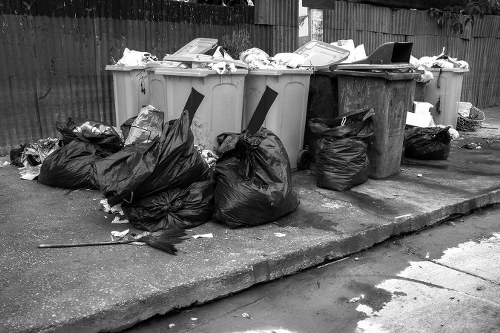 This Health and Safety Policy sets out the commitments and operational standards for a professional business waste removal Croydon provider operating across its rubbish company service area. The purpose of the policy is to ensure that commercial waste collection and related services are delivered with the highest regard for employee safety, public protection and environmental responsibility. It applies to all staff, sub-contractors and temporary workers engaged in waste handling, transportation and disposal activities. The policy emphasises hazard identification, risk assessment and the implementation of control measures to reduce the chance of injury, damage and pollution.
Scope and Objectives
The policy covers the full operational scope from site collection to transfer, storage and disposal of business waste. Key objectives include preventing workplace injuries, ensuring safe operation of vehicles and equipment, maintaining safe manual handling practices, and managing hazardous materials in accordance with statutory requirements. All activities performed by the rubbish removal service area shall comply with applicable regulations and recognised industry standards while maintaining a pragmatic approach to daily safety management.
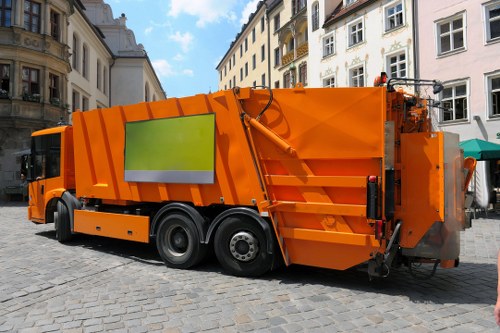 Responsibilities are clearly allocated: senior management is accountable for developing policy, allocating resources and reviewing performance; supervisors are responsible for implementing procedures and monitoring compliance; employees must follow instructions, attend training and report hazards promptly. Contractors supplying vehicle services or skip hire must demonstrate they meet the same safety expectations before engagement. Every person on site has a duty to act safely and to cooperate with the safety systems in place.
Risk Assessment and Control Measures
Risk assessments are undertaken for all routine and non-routine tasks, including collection routes, depot activities and waste transfer operations. Control measures include traffic management plans, clear segregation of waste streams, secure lashing of loads, and the use of appropriate lifting aids. Where a task cannot be made inherently safe, additional controls such as exclusion zones, mechanical assistance or specialist handling are required. The rubbish company service area uses documented assessments to inform safe systems of work and safe operating procedures.
 Training and competence are crucial. All operatives receive induction training on safe manual handling, use of PPE, spill response and emergency procedures, with periodic refresher training and assessments. Certifications for specialized roles such as hazardous waste handlers and vehicle drivers are maintained and audited. The policy also mandates toolbox talks and on-site briefings to address route-specific risks and seasonal hazards.
Operational controls include vehicle inspections, load securement checks and maintenance schedules. Drivers follow defined safe driving standards for waste collection vehicles and adhere to working time and fatigue management rules. Waste transfer stations are managed to minimise slips, trips and falls; signage and lighting are used to maintain awareness and safe access. Waste segregation protocols ensure non-hazardous streams are separated from potentially hazardous materials to reduce cross-contamination and improve recycling outcomes.
Incident Management, Monitoring and Review
Incidents, near-misses and environmental releases are reported immediately through a formal incident reporting system. Investigations determine root causes and corrective actions are tracked to completion. The organisation conducts regular audits and performance reviews to measure compliance with the Health and Safety Policy in the rubbish removal service area and to identify continuous improvement opportunities. Key performance indicators include injury rates, near-miss frequency, vehicle defect reports and audit outcomes.
 The policy also addresses specific hazards associated with business waste carriers, such as manual handling of bulky items, exposure to sharps, and the presence of unknown or mixed wastes. Controls include use of puncture-resistant gloves, mechanical lifting aids for heavy loads, and clear procedures for isolating and managing suspect hazardous materials until qualified disposal routes are arranged. Where required, specialist hazardous waste contractors are engaged and verified.
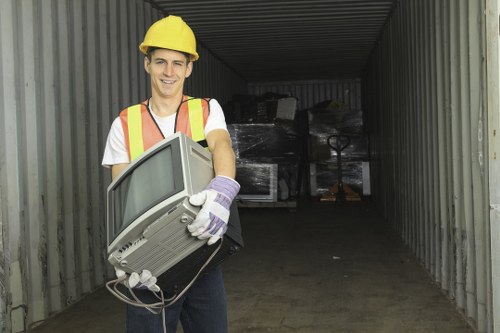 Management of change is embedded into the safety process: any alteration to fleet, equipment or collection methods triggers a review of risk assessments and staff briefings. The policy commits to regular review, a minimum annual formal review and additional updates when significant incidents, legislative changes or operational changes occur. The aim is to maintain a resilient, well-documented approach that keeps staff, the public and the environment safe during all business waste removal activities across the service area.
- Personal protective equipment (PPE): mandatory use of high-visibility clothing, gloves, safety footwear and eye protection where required.
- Vehicle safety: daily pre-start checks, securement of loads, reversing aids or banksmen for manoeuvring in confined areas.
- Environmental protection: spill kits, containment practices and prompt reporting of any pollution incidents.
- Contractor controls: vetting, insurance and safety evidence requirements for any third-party suppliers.
Policy commitment: Senior management endorses this Health and Safety Policy and will ensure it is implemented, resourced and maintained. All employees and contractors are expected to support compliance and participate in the ongoing development of safer, more efficient collection and disposal practices throughout the rubbish company service area and adjoining operations.
This policy is communicated to staff and made available to relevant stakeholders. Regular training, auditing and open reporting cultivate a safety-first culture in business waste removal, ensuring statutory obligations are met while promoting operational excellence and environmental stewardship.
